Wedding planning starts here

LCV web sitemizde müzikli çarpıcı dijital davetiyeler oluşturun. Etkinliklerinizi zahmetsizce kişiselleştirin.

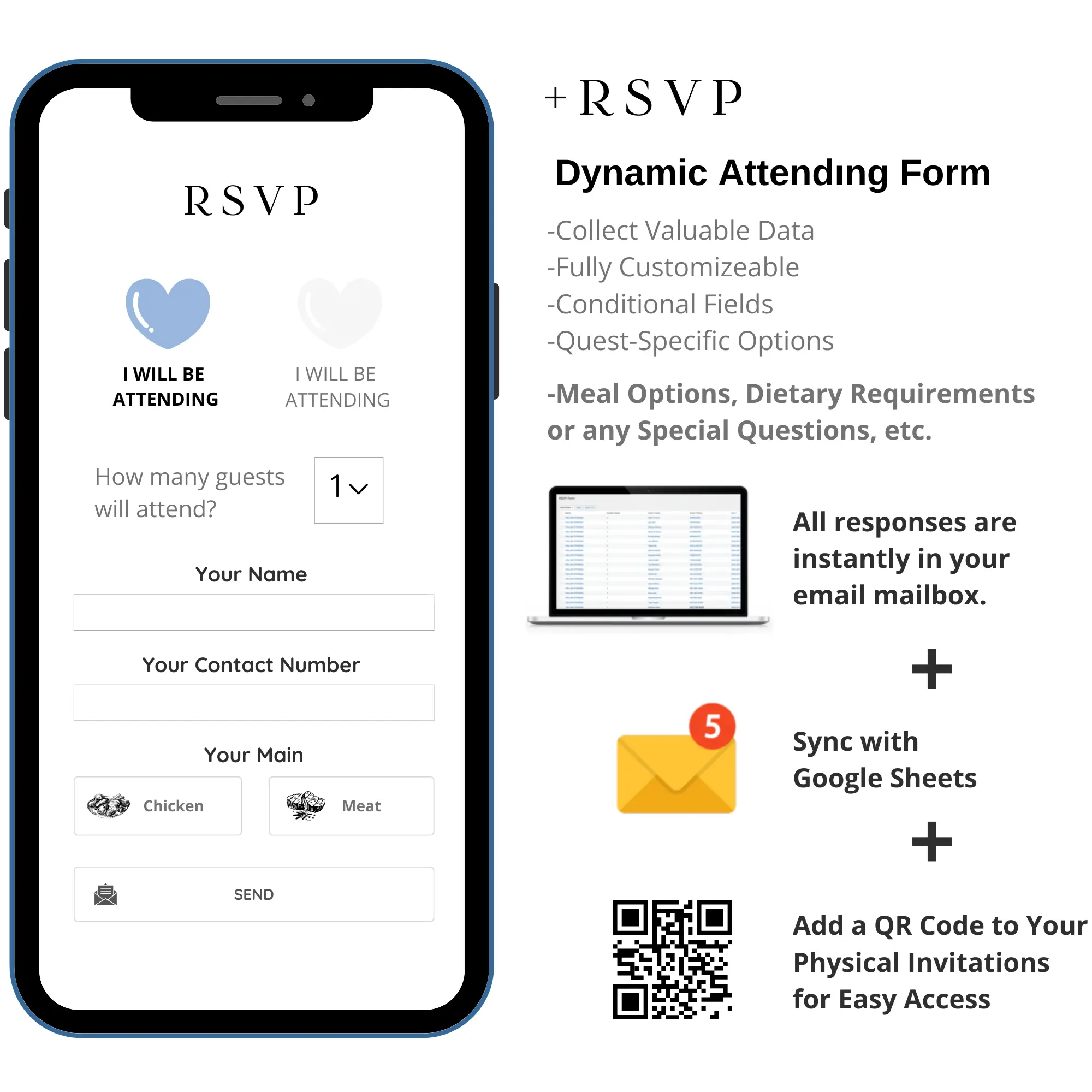
RSVP collection has never been so easy.

Simplify Your RSVPs

  • Collect Data Easily: Meal choices, dietary needs, or custom questions.
  • Fully Customizable: Tailor fields to fit your event.
  • Smart Fields: Show options based on guest responses.

Share Your RSVP Link Anywhere:
WhatsApp, iMessage, Messenger, Email, SMS, and more!

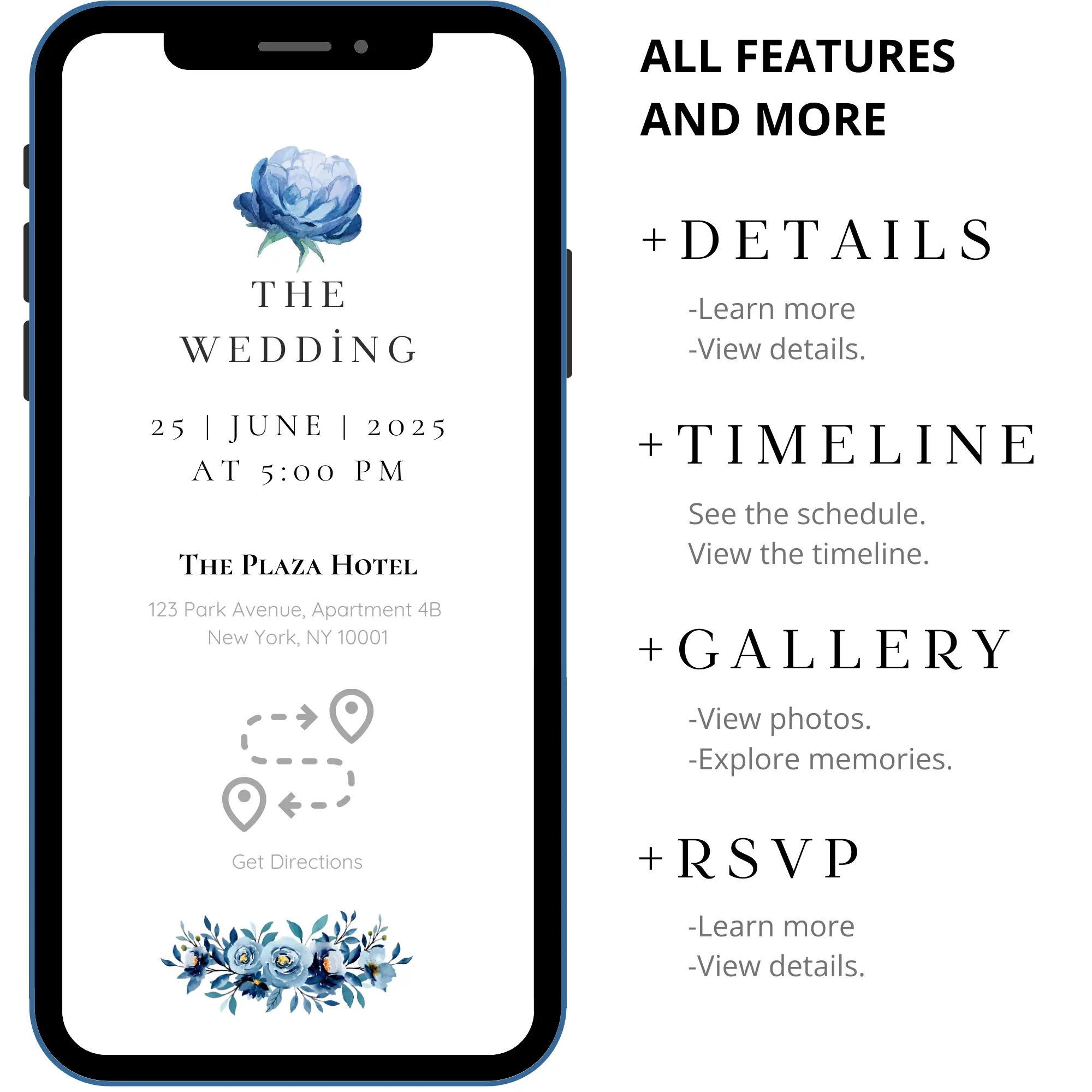
All Your Wedding Details in One Place

  • Details: Venue, date, and time at a glance.
  • Timeline: Event schedule made simple.
  • Gallery: Share and explore memories.
  • RSVP: Confirm attendance in seconds.

Track RSVPs

View ‘Yes’ and ‘No’ responses, open rates, and survey responses in real-time. RSVP collection has never been so easy.

Survey Questions

“Chicken or fish?” “Do you have a song request?” You can easily collect all the information you want—no matter the question.

Export Guest List

Easily export contacts to a spreadsheet. Download the file in csv format and share it with relevant people.

Add Music

Impress your guests by adding a special song or melody to your invitation.

Guest Gallery

Your guests can easily upload the photos they take at the wedding to your invitation, making your wedding unforgettable.

Countdown Timer

Ensure that your guests don’t forget your wedding with this feature. Create excitement and anticipation for your event.

Examples turn abstract instructions into visible decisions, making it easier to understand not only what a result should look like but also why it meets a particular standard. The strongest examples are specific enough to reveal method, yet varied enough to show that a principle is not tied to one narrow situation. In a test, a carefully chosen sample question demonstrates how wording, evidence, time limits, and scoring criteria work together, giving learners a practical model for preparation. That model becomes more useful when it is paired with an explanation of common errors, since readers can compare sound reasoning with an answer that fails for a clear reason. In professional settings, examples also improve consistency by aligning editors, analysts, designers, or developers around the same expectations before work is reviewed. Their value therefore depends less on complexity than on accuracy, context, and a direct connection to the decision the audience must make.

Examples are most effective when they turn an abstract idea into a situation that readers can inspect, compare, and remember. In education, technical writing, and public communication, a strong example does more than decorate an explanation: it reveals how a principle operates under recognizable conditions. A well-designed test case shows the rule in action, while also making clear which details matter and which are incidental. The best illustrations are specific enough to support careful reasoning but broad enough to transfer to a new problem, such as applying a budgeting method to a different household or interpreting a scientific result in another setting. Good examples should also be accurate, proportionate, and clearly connected to the claim they support, since an engaging but misleading case can create confusion rather than understanding. Comparing several cases often provides the clearest picture, especially when the contrast exposes a boundary, exception, or change in outcome.

Examples are most effective when they turn an abstract idea into a situation readers can inspect, compare, and remember. In education, a strong example does more than repeat a definition: it reveals how a principle works, where its limits lie, and which details matter. A well-designed test example in technical documentation shows the expected input, the resulting output, and the condition that connects them, making the underlying rule easier to verify. That structure is especially valuable in software guides, policy explanations, and scientific writing, where a small change in assumptions can produce a different outcome. Examples should also be varied rather than endlessly repeated, since contrasting cases expose exceptions and prevent readers from mistaking one convenient illustration for a universal rule. Clear labels, concise explanations, and realistic data further improve comprehension without turning the discussion into a catalogue of disconnected cases.